Fridge Repair Edmonton: Common Problems and When to Call a Professional
Fridge repair in Edmonton is needed when a refrigerator cannot hold safe temperatures, leaks, develops heavy frost, or makes a new loud noise. Start with safe checks—temperature setting, clear vents, door seal, and power if accessible—then call a professional when symptoms persist, food warms, water reaches electrical equipment, or electrical or sealed-system parts may be involved.
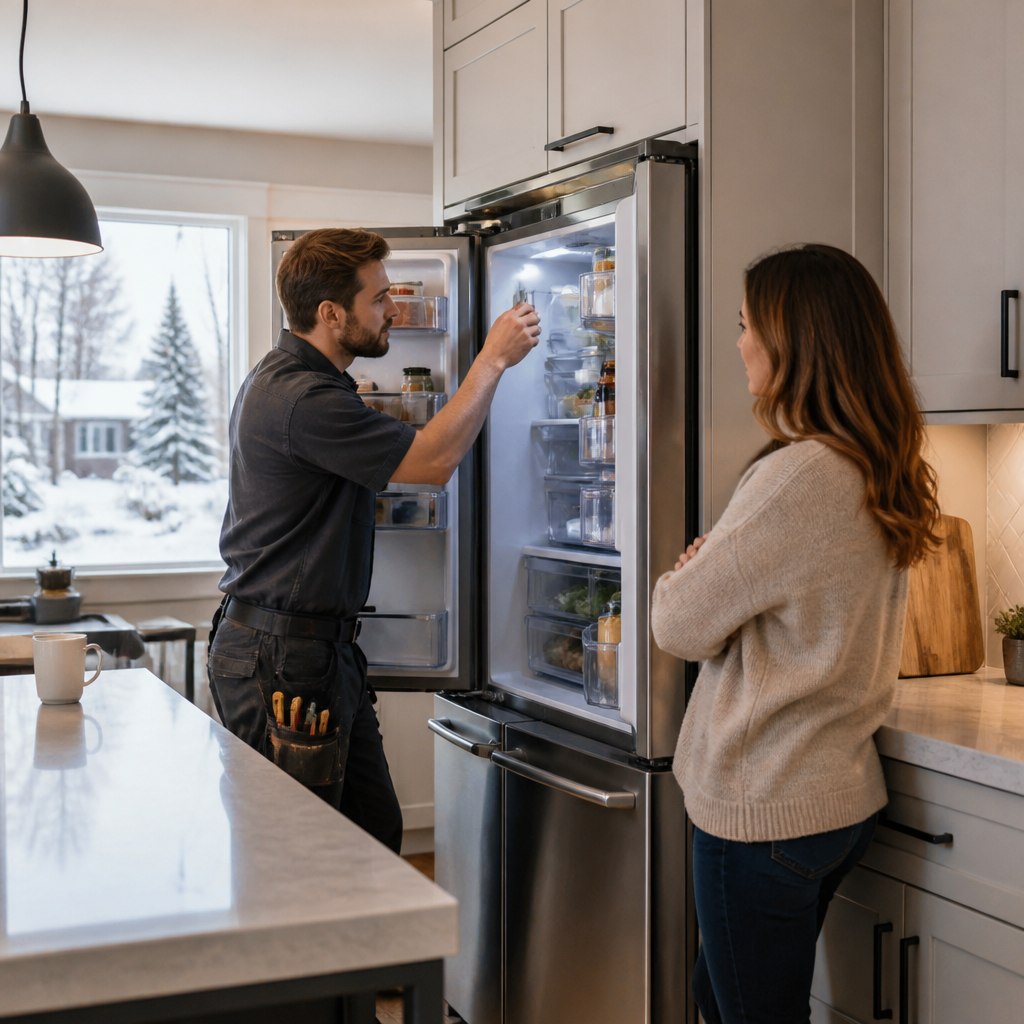
How to tell whether a refrigerator problem is urgent
A refrigerator that feels slightly warmer after a large grocery shop is different from one that has stopped cooling altogether. Put an appliance thermometer in the fridge and freezer rather than relying on a quick hand test. Health Canada recommends keeping the refrigerator at 4°C (40°F) or colder and the freezer at -18°C (0°F) or colder. If the temperature is above the safe range, move vulnerable food to a working fridge or cooler with ice and follow current food-safety advice.
Act quickly if the display shows an error, the interior light is out and the appliance has no power, water is spreading across the floor, or you smell burning or hear electrical crackling. Do not touch wet plugs, remove access panels, or keep resetting a breaker that trips again. If there is an immediate electrical or fire risk, keep clear and contact the appropriate emergency service. For other symptoms, record what the appliance is doing and arrange a diagnosis before food loss or water damage grows.
Why is the fridge not cooling properly?
A warm fridge can result from a temperature control that was changed, a door that is not closing, blocked air vents, poor airflow around the cabinet, or a recent power interruption. A newly installed refrigerator can need time to stabilize; follow the model’s manual rather than repeatedly changing settings. Check that the cooling function is on, the plug is seated if it is safely reachable, and the breaker has not tripped. Move food away from interior vents and avoid packing the compartments so tightly that cold air cannot circulate.
If the freezer is cold but the fresh-food compartment is warm, the problem may involve air circulation, a damper, or frost restricting an internal passage. If both compartments are warm, possibilities include a failed fan, compressor or start component, temperature sensor, control, or sealed-system issue. These symptoms are clues, not a diagnosis: modern refrigerators use different layouts, and one visible symptom can have several causes. If temperatures do not begin returning to normal after basic checks, schedule fridge repair in Edmonton and share the readings and timeline with the technician.
- Check the set temperature and cooling mode against the owner’s manual.
- Clear packages away from vents and make sure doors close completely.
- Use a thermometer and note whether the fridge, freezer, or both are warming.
What causes freezer frost or ice buildup?
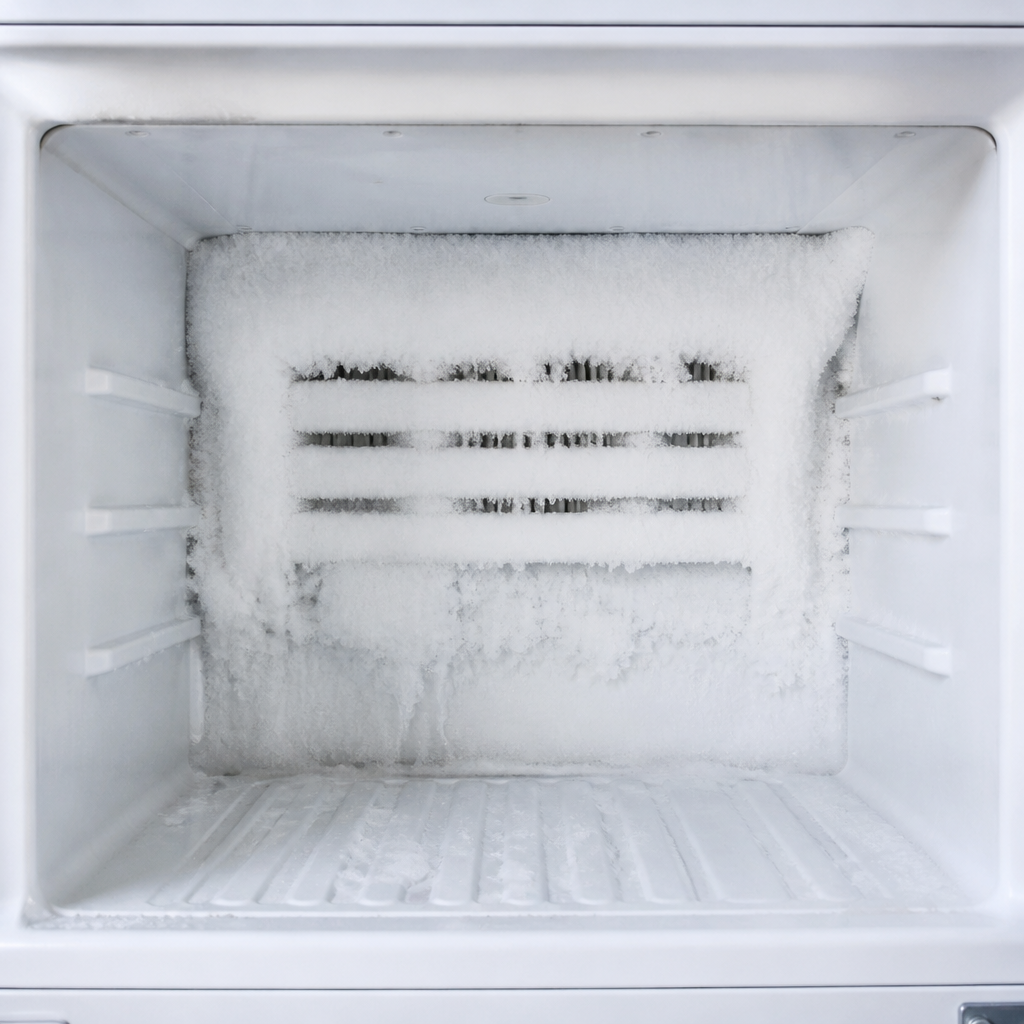
A light layer of frost can appear after frequent door openings, but thick frost on a freezer wall or around vents can signal warm, moist air getting inside or a defrost system that is not clearing ice as intended. Check whether a package, drawer, or ice bin is preventing the door from closing. Inspect the visible gasket for dirt, gaps, tears, or sections that have pulled loose. Clean only accessible surfaces according to the manual; do not chip at ice with a knife or sharp tool, because it can puncture a liner or damage concealed components.
Frost that returns quickly after the door is shut and the gasket is clean may need professional diagnosis. A technician can check door alignment, sensors, fans, heaters, drains, and controls using the procedures for that model. Defrosting an appliance by unplugging it is not a universal fix: it can risk food safety, create water on the floor, and hide a fault that returns. Take a photo of the frost pattern and note how long it took to develop; those details can help narrow the inspection.
- Keep the door closed while checking temperature and food condition.
- Never scrape ice with a sharp object or use an open flame to speed defrosting.
- Photograph recurring frost before it melts, if it is safe to do so.
Why is water collecting inside or under the fridge?
A puddle inside the fresh-food compartment may come from a blocked or frozen defrost drain, condensation, a container spill, or a door that is not sealing. Water under or behind the appliance can also come from an ice-maker or dispenser supply line, a loose connection, a damaged hose, or the defrost drain pan. If the refrigerator has a water connection, do not pull it forward by force: the line can kink or disconnect, especially in a tight kitchen.
Wipe up a small, accessible spill and check whether an open container or blocked door explains it. If water is near an outlet, power strip, or other electrical equipment, stay clear and do not step through standing water to reach a plug. If you can safely reach the refrigerator’s water shutoff without moving the appliance or entering a wet area, turn it off; otherwise leave it alone and call for help. Persistent leaks deserve prompt attention because water can swell floors, damage cabinets, and travel beneath finishes before it is visible.
What should I check when the ice maker or dispenser stops working?
An ice maker that produces little or no ice may simply be switched off, paused by a control setting, or waiting for the freezer to reach the required temperature. Check the model manual for control-lock and reset instructions, confirm the water supply valve has not been deliberately turned off, and make sure the ice bin is seated correctly. A filter that is overdue for replacement or an obstructed water line can also affect flow, but filter schedules and reset steps differ by model.
Do not dismantle the inlet valve, reach into moving mechanisms, or force a frozen fill tube. If the dispenser hums without water, leaks after use, shows an error code, or continues to stop after the manual’s basic checks, give the technician the brand, model number, displayed code, and whether the refrigerator itself is cooling normally. The separate ice system can be faulty even when the main compartments are at temperature, so explain both sets of symptoms.
Which refrigerator noises are normal—and which are not?
Refrigerators can make soft humming, clicking, bubbling, or brief fan sounds as they cool, defrost, or move water. The expected sound varies by model, and a new noise does not automatically mean a serious failure. Check that the appliance is level and not touching a cabinet, wall, or object that vibrates. Look for a loose container on top or inside, and note whether the sound changes when a door opens or the compressor starts.
A loud grinding, repeated clicking followed by loss of cooling, squealing that continues, or a fan striking ice merits a service call—especially if temperatures are rising. Do not remove a rear panel to locate a fan or reach near a compressor. A short phone recording from a safe distance, along with the time the noise occurs and the temperature readings, is more useful to a technician than a guess about which part has failed.
How can Edmonton’s winter weather affect a garage fridge?
Many households in Edmonton use a second refrigerator or freezer in a garage, but not every model is designed for a space that becomes very cold in winter or hot in summer. A refrigerator’s thermostat and cooling cycle are designed around a specified ambient-temperature range. If the surrounding air falls outside that range, the appliance may run differently, the freezer compartment may not behave as expected, or stored food may not stay at a safe temperature. The exact limits depend on the model and its climate rating.
Before placing or keeping a fridge in an unheated garage, check the owner’s manual for the minimum and maximum room temperature, required clearances, and installation restrictions. Do not assume that a garage-ready model and a standard kitchen refrigerator respond the same way. During cold snaps, verify actual food-compartment temperatures with thermometers rather than using the outdoor temperature as a proxy. If the appliance starts cycling abnormally, icing up, or warming food, move perishables to a stable location and ask a technician whether the installation environment is suitable.
- Find the model number and manual before evaluating garage use.
- Check temperatures inside both compartments during cold and warm spells.
- Keep required ventilation clear and follow the specified installation range.
Which refrigerator checks are safe to do yourself?
Homeowners can usually check the displayed temperature, confirm the appliance is switched on, move food away from vents, inspect whether the door closes, and clean visible gasket surfaces with mild soapy water. If the plug and breaker are safely accessible and there is no water, heat, damaged cord, or burning smell, you can check for an obvious loss of power. Follow the manufacturer’s manual for cleaning accessible areas; do not use a vacuum or brush on internal components unless the manual specifically describes that procedure.
Avoid removing covers, testing live wiring, opening the sealed refrigeration system, handling refrigerant, or trying to replace a compressor, start relay, defrost heater, or control board without the required training. Refrigerants, electrical components, sharp sheet metal, heavy appliances, and water connections all carry risks. Do not move a large fridge alone or pull it forward if connected lines may snag. When a task requires opening the appliance’s electrical or sealed system, the safer choice is a qualified technician.
When should I call a refrigerator repair professional?
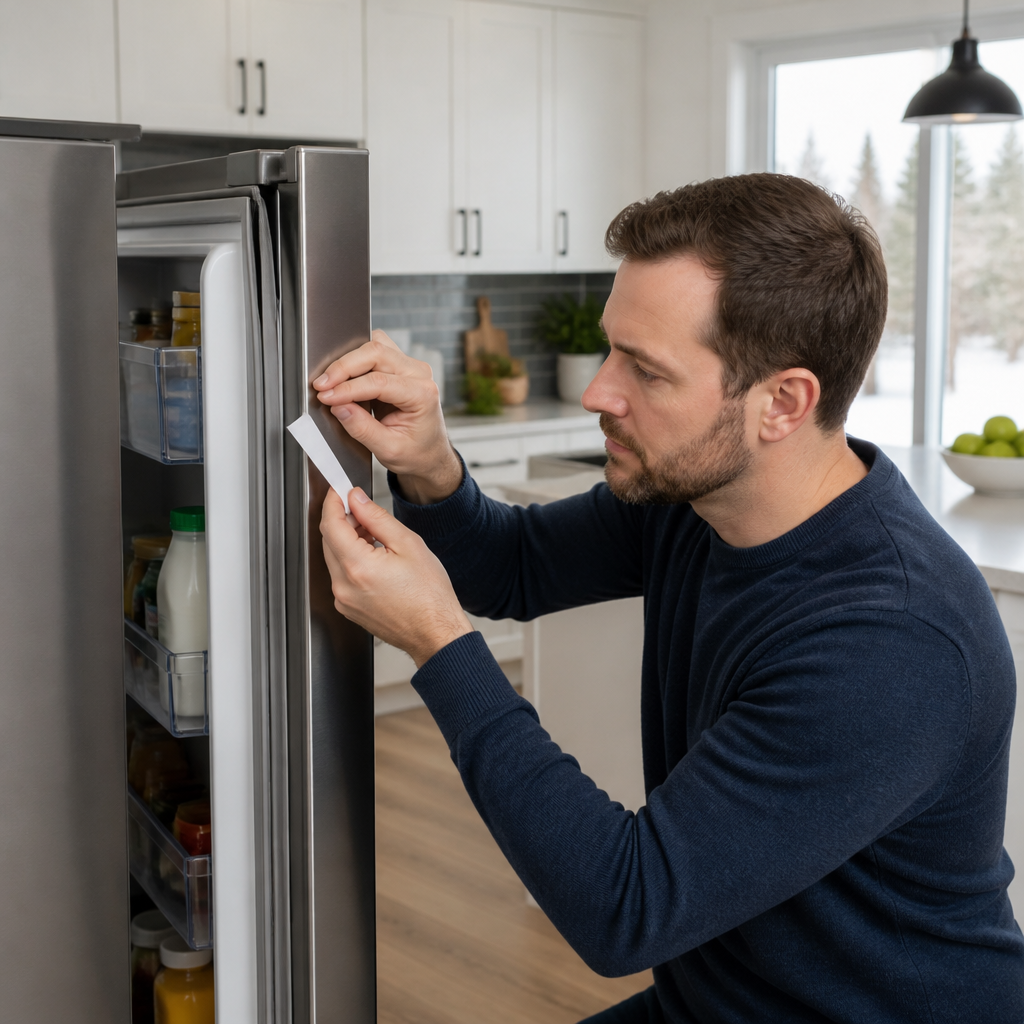
Call when basic checks do not restore safe temperatures, a breaker trips again, water keeps returning, thick frost rapidly builds up, an error code persists, the compressor or fan makes a new loud sound, or the appliance is under warranty. Mention whether the fridge, freezer, or both are affected and how long the problem has been happening. Have the brand, model and serial number ready if you can read the label without moving or dismantling the appliance. A few photos and temperature readings can help the service office prepare for the visit.
For a local service option, Fridge Repair Edmonton is the anchor requested for this article; contact the company directly to confirm current coverage, appliance brands, appointment availability, diagnostic fees, parts, and warranty terms. Before booking any provider, ask what the service call includes, whether repair approval is required before parts are installed, and how the quote may change if additional faults are found. If you are comparing broader home-service options, our contractor directory and guide to hiring a contractor explain useful questions to ask before agreeing to work.
Is it better to repair or replace a refrigerator?
There is no single age or repair-cost rule that fits every refrigerator. Compare the written diagnosis and total repair estimate with the cost of a suitable replacement, expected energy use, capacity, installation needs, delivery and removal. Consider whether the appliance has had repeated failures, whether parts are available, whether the cabinet and doors still fit your kitchen, and whether the repair includes a warranty. A technician can explain the failed part and likely repair scope, but you can decide how that fits your budget and plans.
If you choose replacement, confirm opening width, depth, door swing, water connection, ventilation clearances, delivery route, and how the old unit will be removed before ordering. If the refrigerator is part of a larger kitchen update, our renovation planning checklist can help organize related decisions. For competing repair or replacement quotes, use the site’s project quote request and include the model, symptoms, access details, and whether the unit is currently keeping food cold.
Sources & local references
Troubleshooting steps vary by model. Follow the owner’s manual and use Health Canada’s food-safety guidance if food may have warmed. The local service link is included as a resource, not as an independent endorsement.
- Health Canada: Safe food handling in the fridge
- Frigidaire Canada: Refrigerator not cooling troubleshooting
- Whirlpool: Refrigerator troubleshooting
- GoTech Appliance Repairs
Frequently asked questions
What temperature should a refrigerator be in Edmonton?
Health Canada recommends keeping a refrigerator at 4°C (40°F) or lower and a freezer at -18°C (0°F) or lower. Use an appliance thermometer in each compartment; room or garage temperature does not tell you the temperature of the food.
Why is my fridge warm while the freezer is cold?
Possible causes include blocked air vents, frost restricting airflow, a fan problem, or a damper or control issue. Clear visible obstructions and check the model manual, but call a technician if the fridge does not return to a safe temperature.
Can Edmonton winter weather affect a garage refrigerator?
Yes. Some refrigerator models are not designed to operate in very cold or hot rooms, and a garage can exceed the model’s specified ambient-temperature range. Check the owner’s manual and monitor temperatures inside the fridge and freezer.
Is it safe to keep food in a fridge that is not cooling?
Check the actual compartment temperature with a thermometer and move perishable food to a working refrigerator or cooler if the temperature is unsafe. Follow Health Canada’s current food-safety guidance for food that may have warmed; do not rely on smell or appearance alone.
What information should I give an Edmonton fridge repair technician?
Share the brand and model, the symptoms, when they began, temperature readings, any error code, recent power interruptions, and whether the appliance is in a garage. Photos or a brief recording can help, but do not remove panels to collect them.
Should I unplug a refrigerator that is leaking?
Do not touch a plug or outlet if water is nearby, and do not step through standing water. If the area is dry and the plug is safely accessible, follow the owner’s manual; otherwise keep clear and get qualified help.